When Stress, Anxiety, or Mood Swings Start Controlling Your Life
- May 22
- 6 min read
Stress anxiety and mood swings can slowly take over daily life when the mind and body stay overwhelmed for too long. Chronic stress may affect emotional balance, sleep, anxiety levels, relationships, and even physical health. The good news is that emotional overwhelm is treatable, and many people begin feeling better with the right support, coping strategies, and therapy.
Many people do not notice these changes right away. Stress often builds quietly through work pressure, emotional exhaustion, overthinking, burnout, or constant worry. Over time, it may start feeling harder to relax, focus, communicate, or feel emotionally balanced.
The important thing to remember is that struggling emotionally does not mean you are weak or failing. Sometimes the nervous system simply stays overwhelmed for too long without enough recovery and support.
Table of Contents
What does it mean when stress takes over?
Normal stress vs chronic stress
How cortisol affects mood and emotions
10 signs stress and anxiety are running your life
Why mood swings are often missed as a stress symptom
The stress anxiety mood swing cycle explained
How chronic stress affects your body, relationships, and work
Is stress anxiety or mood becoming a clinical concern?
Is stress anxiety or mood controlling your life? Quick checklist
What actually helps from self care to therapy
When therapy or psychiatry may be the right next step
Conclusion
What Does It Mean When Stress Takes Over?
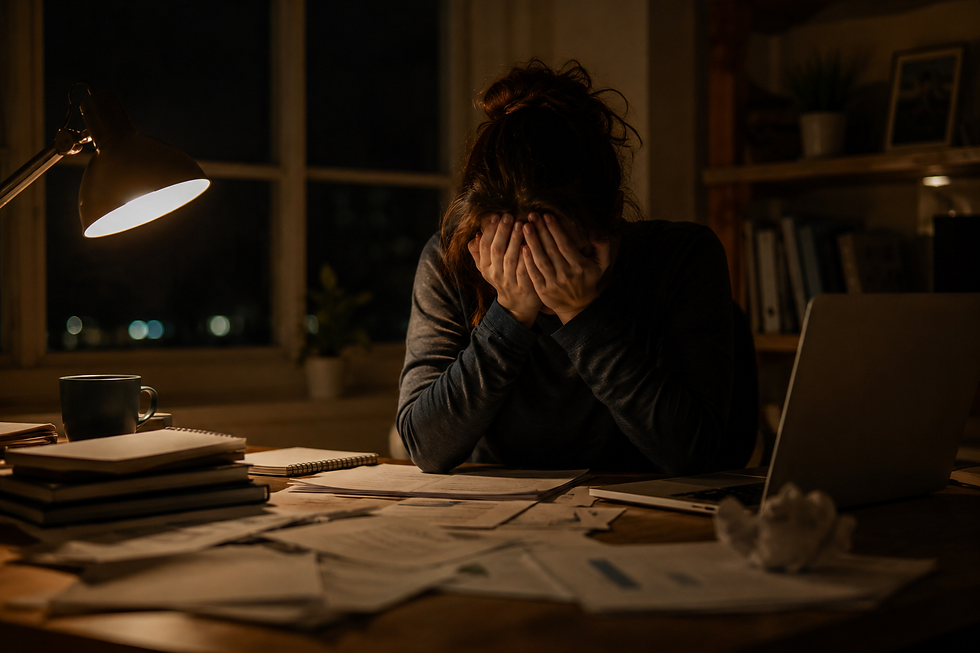
Stress becomes more serious when it stops feeling temporary.
Many people slowly get used to feeling:
emotionally exhausted
constantly worried
mentally overwhelmed
or emotionally reactive
Over time, stress may begin affecting:
sleep
relationships
emotional balance
focus
and daily routines
Temporary Stress | Chronic Stress |
Short term pressure | Ongoing emotional overload |
Easier recovery | Constant exhaustion |
Stress fades after events pass | Stress continues daily |
Emotional balance returns | Mood and anxiety stay affected |
Many people searching stress taking over my life what to do are often dealing with emotional overload that has been building for months or even years.
These kinds of chronic stress symptoms mental health professionals discuss are becoming more common in everyday life.
Normal Stress vs Chronic Stress — Where’s the Line?
Some stress is completely normal. Life naturally includes pressure, challenges, and difficult moments.
The problem begins when the nervous system never fully relaxes.
Chronic stress may lead to:
constant tension
overthinking
emotional fatigue
sleep problems
irritability
and ongoing anxiety.
Stress becomes more serious when emotional recovery becomes harder over time.
Many people continue functioning normally on the outside while quietly feeling emotionally overwhelmed inside.
How Cortisol Hijacks Your Mood and Emotions
Cortisol is often called the body’s stress hormone. When stress stays high for long periods, cortisol levels may affect emotional regulation and mood.
This is one reason mood swings that affect daily life can sometimes be connected to chronic stress and anxiety.
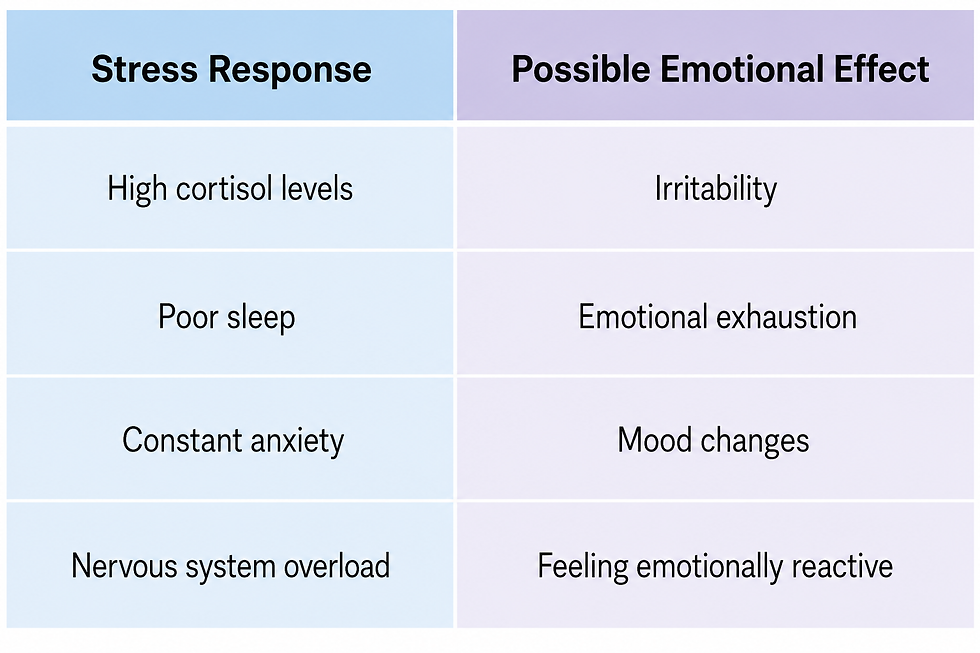
Over time, stress anxiety and mood swings may start affecting relationships, work, concentration, and emotional wellbeing.
Many people describe feeling:
emotionally tired
easily frustrated
mentally overwhelmed
or emotionally “off” without fully understanding why.
10 Signs Stress and Anxiety Are Running Your Life (Not You)
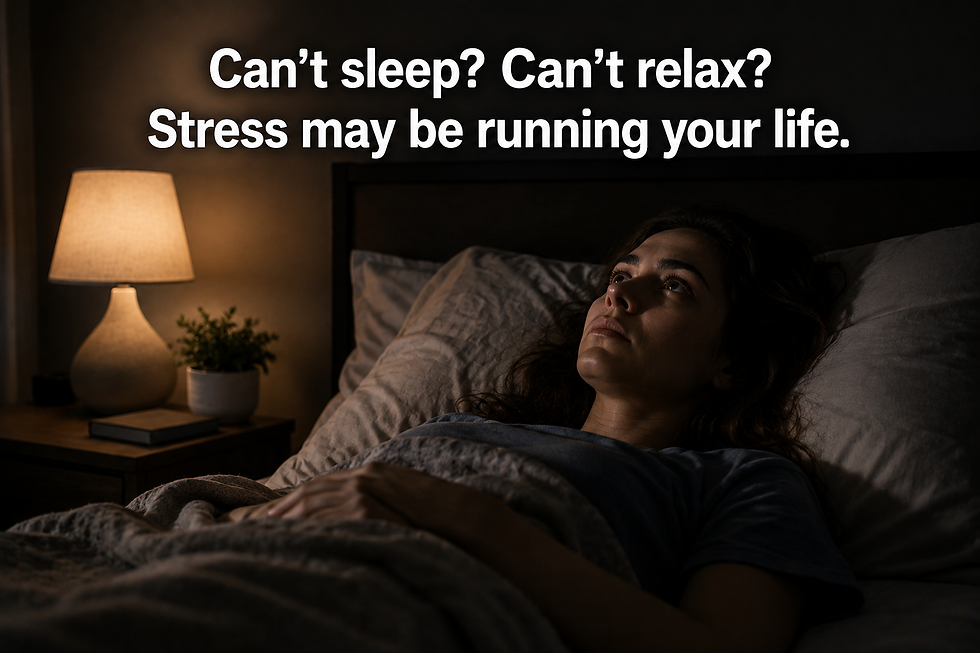
Emotional overload often builds slowly instead of all at once.
Some common signs include:
You feel mentally exhausted most days
Small problems feel emotionally overwhelming
Your mood changes quickly during stressful periods
Anxiety follows you throughout the day
You struggle to fully relax
Sleep feels inconsistent or restless
You feel emotionally reactive more often
Relationships feel harder to manage
Work stress follows you home constantly
You no longer feel emotionally balanced
Many people experiencing when anxiety controls your life situations do not realize how much emotional pressure has been building over time.
Why Mood Swings Are Often Missed as a Stress Symptom
Many people assume mood swings only happen because of personality, hormones, or anger problems.
In reality, chronic stress may strongly affect emotional regulation.
This can lead to:
emotional highs and lows
irritability
emotional shutdown
anxiety cycles
or emotional sensitivity
Sometimes people dealing with stress anxiety and mood swings feel guilty or confused because they cannot understand why emotions feel harder to manage lately.
Stress can quietly affect emotional balance without people fully noticing it at first.
The Stress Anxiety Mood Swing Cycle Explained
Emotional overwhelm often becomes a repeating cycle.
It may look something like this:
Stress builds → anxiety increases → sleep and emotional balance worsen → mood becomes more reactive → stress increases again
This cycle can leave people feeling:
mentally drained
emotionally overwhelmed
anxious
exhausted
and emotionally reactive
Without healthy recovery and support, the nervous system may stay stuck in a constant stress response for long periods.
How Chronic Stress Affects Your Body, Relationships, and Work
Stress does not only affect emotions. It can also affect physical health, relationships, and daily functioning.
Area Affected | Common Effects |
Physical health | Headaches, fatigue, sleep problems |
Emotional health | Anxiety, irritability, emotional exhaustion |
Relationships | Withdrawal, communication problems |
Work life | Burnout, difficulty concentrating |
These types of chronic stress symptoms mental health professionals often discuss can slowly affect many areas of life at the same time.
People experiencing when anxiety controls your life situations may begin feeling emotionally drained even during normal daily activities.
Is Stress Anxiety or Mood Becoming a Clinical Concern?
Sometimes stress and anxiety become severe enough that professional support may help.
This may happen when:
symptoms continue for long periods
emotional balance becomes difficult to maintain
relationships start suffering
sleep becomes consistently disrupted
or daily life feels harder to manage
Seeking support does not mean something is “wrong” with you.
It simply means your mind and body may need additional help recovering from long term emotional overload.
What Actually Helps From Self Care to Therapy
Recovery usually starts with small consistent changes.
Many people benefit from:
healthier sleep habits
emotional boundaries
movement and exercise
reducing overstimulation
mindfulness
emotional support
and therapy
People searching stress taking over my life what to do often benefit from learning healthier coping strategies instead of trying to “push through” emotional exhaustion alone.
In some cases, therapy for mood swings and anxiety may help people better understand emotional patterns, stress responses, and coping skills.
Evidence Based Strategies (CBT, DBT, Mindfulness)
Many people benefit from structured coping approaches that help reduce emotional overwhelm and improve emotional regulation.
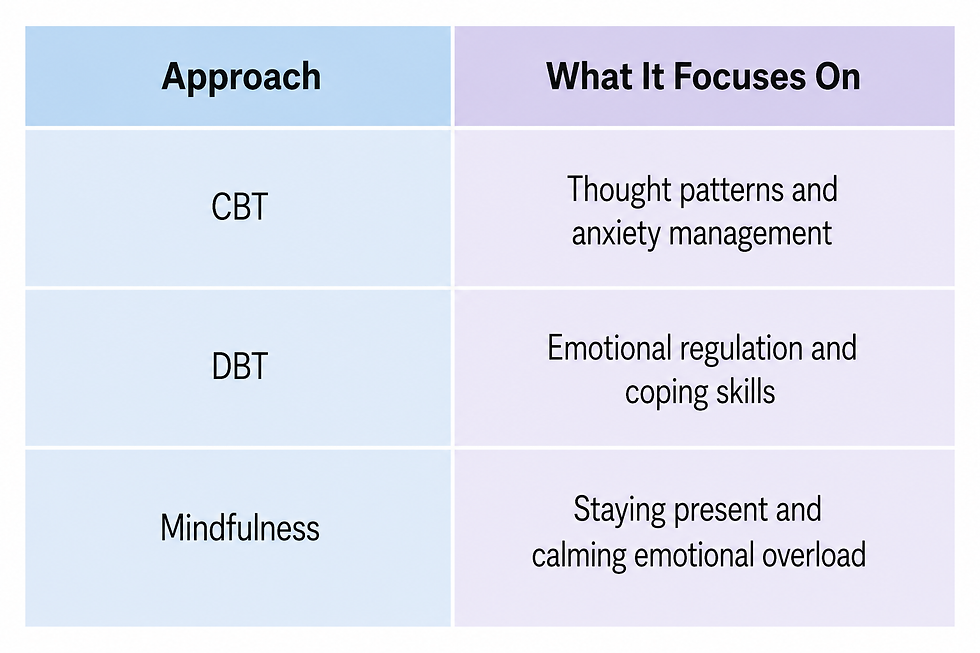
Cognitive Behavioral Therapy (CBT)
CBT helps people notice unhealthy thought patterns and respond to stress differently.
According to the American Psychological Association, CBT is commonly used to support anxiety, stress, and mood related challenges.
Dialectical Behavior Therapy (DBT)
DBT focuses on emotional regulation, coping skills, and stress management.
Some people exploring emotional dysregulation therapy may benefit from DBT based approaches that help manage emotional intensity more effectively.
When Therapy or Psychiatry May Be the Right Next Step
Support can help people feel emotionally balanced again.
Some people benefit from therapy alone, while others may also benefit from psychiatry support and medication management.
Many people explore therapy for mood swings and anxiety when emotional distress begins affecting:
sleep
work
relationships
emotional balance
or daily functioning
Professional support can help people better understand stress patterns, emotional responses, and healthier coping skills
Conclusion
Chronic stress and emotional overwhelm can slowly affect emotional balance, relationships, sleep, work, and overall wellbeing. Many people continue pushing through emotional exhaustion without realizing how much stress is affecting their daily life.
The good news is that emotional overload is treatable, and support is available.
At MorMindful, individuals across South Florida can receive compassionate care designed to help manage stress, anxiety, emotional overwhelm, and mood related challenges in a calm and supportive environment.
Frequently Asked Questions
1. Can stress anxiety and mood swings really affect daily life?
Yes. Ongoing stress and anxiety can affect sleep, emotional balance, relationships, concentration, and overall wellbeing. Over time, emotional overwhelm may start affecting normal daily routines more than people realize.
2. Is it normal for stress to cause emotional ups and downs?
Yes. Chronic stress may affect emotional regulation, which can lead to irritability, emotional exhaustion, anxiety, or mood changes during stressful periods.
3. What happens when anxiety controls your life?
When anxiety becomes overwhelming, people may struggle to relax, sleep properly, focus, or feel emotionally calm. Anxiety may also affect relationships, work performance, and emotional wellbeing over time.
4. How do I know if stress is becoming too much to handle?
Some common signs include constant mental exhaustion, emotional overwhelm, sleep problems, irritability, overthinking, and difficulty enjoying normal daily activities.
5. What are common mood swings that affect daily life?
Mood swings that affect daily life may include sudden irritability, emotional sensitivity, emotional shutdown, anxiety spikes, or feeling emotionally overwhelmed during normal situations.
6. Can chronic stress affect physical health too?
Yes. Long term stress may contribute to headaches, fatigue, sleep problems, muscle tension, digestive issues, and overall emotional exhaustion.
7. What are some common chronic stress symptoms mental health professionals talk about?
Common symptoms may include anxiety, emotional exhaustion, overthinking, mood changes, irritability, sleep disruption, emotional reactivity, and difficulty managing stress.
8. Is emotional overwhelm always a sign of a mental health condition?
Not always. Sometimes emotional overwhelm happens because the nervous system has been under stress for too long. However, professional support may help when symptoms begin affecting daily functioning.
9. Does therapy for mood swings and anxiety actually help?
Yes. Therapy may help people better understand emotional patterns, reduce anxiety, improve coping skills, and develop healthier ways to manage stress and emotional reactions.
10. What should I do if stress is taking over my life?
If stress feels overwhelming for long periods, it may help to focus on sleep, emotional support, healthy routines, boundaries, stress management strategies, and professional mental health support when needed.