
The Major Differences Between Burnout vs. Depression
Updated: Aug 18

Lately, words like burnout and depression are used more than ever. People often say they feel burned out after a stressful week at work or wonder if their constant exhaustion could be depression.
The truth is that these two experiences can look very similar. Both can leave you feeling tired, unmotivated, and emotionally drained. Because they share many symptoms, it is not always easy to tell them apart.
Understanding the differences is important because burnout and depression do not always need the same type of support. This guide explains how they compare, why they are often confused, and what you can do if you are unsure what you are experiencing.
Burnout or Depression? Here Is the Quick Answer
Burnout and depression can both cause exhaustion, low motivation, and difficulty enjoying daily life. The biggest difference is that burnout is usually linked to long term stress, often from work or caregiving, while depression affects many parts of life and may continue even when stressful situations change. Understanding these differences can help you know when it may be time to seek professional support.
Key Takeaways
Burnout and depression share many symptoms.
Burnout is commonly connected to ongoing stress.
Depression affects emotions, thoughts, and everyday life more broadly.
Both deserve attention and care.
A mental health professional can help determine what you may be experiencing.
Table of Contents
Why burnout and depression are often confused
Burnout and depression at a glance
Five major differences between burnout and depression
Can burnout lead to depression?
What should you do if you are unsure?
When is it time to seek professional help?
How MorMindful can help
Conclusion
Why Do Burnout and Depression Feel So Similar?
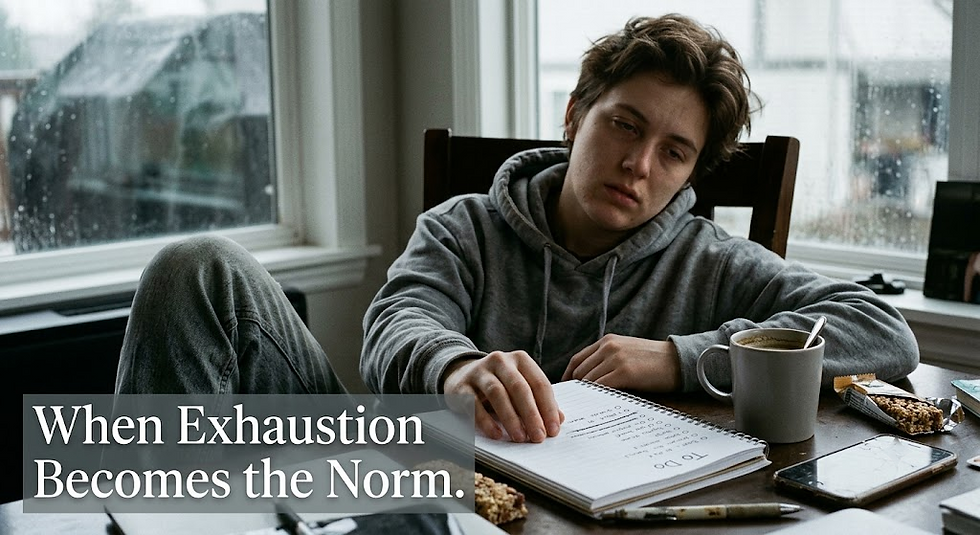
It is easy to understand why so many people confuse burnout and depression.
Both can affect the way you think, feel, and respond to everyday situations.
You may notice:
Feeling tired most of the time.
Having less energy than usual.
Finding it harder to concentrate.
Losing motivation.
Feeling emotionally overwhelmed.
These similarities often make people wonder whether they are simply stressed or whether something more serious is happening.
The important thing to remember is that understanding the differences is helpful, but only a qualified mental health professional can diagnose depression.
A Quick Comparison Before We Look More Closely
Here is a simple overview of how burnout and depression often differ.
Burnout | Depression |
Often develops after ongoing stress | Can affect every part of life |
Frequently linked to work or caregiving | May not have one clear cause |
Feeling emotionally exhausted | Persistent sadness, emptiness, or hopelessness |
May improve when stress is reduced | Often continues without professional support |
Usually centered around one major source of stress | Affects thoughts, emotions, relationships, and daily life |
Every person's experience is different, but this comparison provides a helpful starting point.
Difference 1: Where the Feelings Usually Begin

Burnout often starts with prolonged stress.
For many people, that stress comes from work. For others, it may come from caring for family members, balancing several responsibilities, or constantly feeling under pressure.
At first, you may simply feel tired.
Over time, that exhaustion can grow until even small tasks feel overwhelming.
Depression is different.
While difficult life events can contribute to depression, it is not always connected to one situation.
Some people experience depression after a major change, while others cannot identify one clear cause.
That is one reason depression can feel confusing.
The emotional pain often reaches beyond the situation that may have started it.
Difference 2: Rest Does Not Always Solve the Problem
When people experience burnout, taking time away from the source of stress can sometimes help.
A long weekend, a vacation, or setting healthier boundaries may improve how they feel.
That does not mean burnout disappears overnight.
But reducing stress often brings some relief.
Depression usually works differently.
Someone living with depression may still feel exhausted, sad, or emotionally disconnected even after taking time off.
The problem is no longer only about stress.
It affects the way the mind and body respond to everyday life.
That is why professional support is often an important part of recovery.
Difference 3: Depression Often Affects More Than One Part of Life
Burnout usually stays closely connected to the situation causing the stress.
For example, someone experiencing burnout at work may still enjoy spending time with family, meeting friends, or taking part in hobbies.
Depression often reaches much further.
It can affect:
Relationships.
Sleep.
Appetite.
Motivation.
Confidence.
Interest in activities that once brought happiness.
Life may begin to feel difficult in ways that are not connected to one specific responsibility or environment.
That broader impact is one reason depression deserves careful attention.
Difference 4: The Thoughts Behind Burnout and Depression Can Feel Different

One of the biggest differences between burnout and depression is not always what you are doing.
It is often how you are thinking.
Someone experiencing burnout may think:
"I cannot keep up anymore."
"I need a break."
"I am overwhelmed by everything I have to do."
These thoughts are often connected to a specific source of stress.
With depression, the thoughts can become much broader.
A person may begin feeling hopeless, guilty, or believe that nothing will ever improve. They may lose confidence in themselves or stop believing they can enjoy the things they once loved.
This does not happen to everyone in the same way.
However, when negative thoughts begin affecting how you see yourself, your future, and the people around you, it is important to take those feelings seriously.
You do not have to manage them alone.
Difference 5: Recovery Often Looks Different

Burnout and depression may share symptoms, but the path toward feeling better is often different.
For someone experiencing burnout, recovery usually begins by reducing the stress that caused it.
That might include:
Taking time to rest.
Setting healthier boundaries.
Asking for support at work or home.
Making time for activities that help you recharge.
Depression often needs a more comprehensive approach.
Many people benefit from therapy, healthy lifestyle changes, and, in some cases, medication recommended by a mental health professional.
The goal is not simply to reduce stress.
It is to understand what is contributing to depression and build a treatment plan that supports long term recovery.
A Simple Comparison
Burnout Recovery | Depression Recovery |
Reducing ongoing stress | Professional mental health evaluation |
Creating healthier boundaries | Personalized therapy |
Better work life balance | Therapy and medication when appropriate |
Rest and self care | Long term support based on individual needs |
Both experiences deserve care.
The difference is finding the kind of support that best fits what you are going through.
Can Burnout Lead to Depression?

This is a question many people ask.
The answer is that burnout does not automatically become depression.
However, long periods of unmanaged stress can affect emotional wellbeing and may increase the risk of developing depression for some people.
That is why paying attention to early signs is so important.
If you have been feeling emotionally exhausted for weeks or months, or if those feelings continue even after taking time to rest, it may be time to speak with a mental health professional.
Seeking support early can often make recovery easier.
Did you know? According to the World Health Organization (WHO), depression is one of the leading causes of disability worldwide, affecting how people think, feel, work, and manage everyday life. Recognizing the difference between ongoing stress, burnout, and depression is an important first step toward getting the right kind of support.
Still Not Sure What You Are Experiencing?
If you are unsure whether you are dealing with burnout, depression, or something else entirely, you do not have to figure it out by yourself.
Start by taking one step at a time.
Step 1: Notice How Long You Have Been Feeling This Way
Ask yourself whether these feelings have lasted for a few days or whether they have continued for several weeks.
Looking at the bigger picture can help you recognize patterns.
Step 2: Think About Where Your Stress Comes From
Do you mostly feel overwhelmed at work?
Or have your emotions started affecting every part of your life, including your relationships, hobbies, and daily routine?
This question can provide helpful insight.
Step 3: Pay Attention to Changes in Daily Life
Notice whether your sleep, appetite, energy, motivation, or concentration have changed.
These everyday changes often provide important clues about your emotional wellbeing.
Step 4: Talk to Someone You Trust
Sometimes simply sharing how you have been feeling with a trusted friend, family member, or mental health professional can make things feel less overwhelming.
You do not have to carry everything by yourself.
Step 5: Reach Out for Professional Support
If your symptoms continue or begin making everyday life more difficult, consider scheduling an appointment with a mental health professional.
Getting help is not about waiting until things become unbearable.
It is about giving yourself the opportunity to feel better.
When Is It Time to Seek Professional Help?
It may be time to reach out if:
You feel emotionally exhausted most days.
You no longer enjoy activities that once made you happy.
Your sleep or appetite has changed significantly.
Stress is affecting your work, relationships, or daily responsibilities.
Feelings of sadness or hopelessness continue for several weeks.
You feel stuck and are unsure how to move forward.
You deserve support no matter where you are in your journey.
You do not need to wait until everything feels out of control before asking for help.
Conclusion
Burnout and depression may look similar on the surface, but they are not the same experience.
Understanding where your symptoms come from, how they affect your daily life, and how long they have been present can help you decide what kind of support may be most helpful.
Most importantly, remember that you do not have to figure everything out on your own. Whether you are feeling overwhelmed by ongoing stress or struggling with persistent sadness, asking for help is a positive step toward feeling better.
Frequently Asked Questions
1. What is the difference between burnout and depression?
The main difference is that burnout is usually linked to long term stress, often from work or caregiving, while depression is a mental health condition that can affect every part of a person's life. Although they share some symptoms, depression often continues even when stressful situations improve.
2. Can burnout feel like depression?
Yes. Burnout and depression can both cause exhaustion, low motivation, difficulty concentrating, and emotional fatigue. Because the symptoms overlap, it is sometimes difficult to tell them apart without a professional mental health evaluation.
3. Can burnout turn into depression?
Burnout does not automatically become depression. However, ongoing stress that is not addressed may increase the risk of developing depression for some people. Seeking support early can help prevent symptoms from becoming more difficult to manage.
4. How do I know if I am experiencing burnout or depression?
One important difference is where the symptoms begin. Burnout is often connected to a specific source of stress, while depression usually affects many areas of life, including relationships, sleep, motivation, and daily activities. If you are unsure, speaking with a mental health professional is the best way to understand what you are experiencing.
5. Does taking a break help with burnout?
Taking a break and reducing ongoing stress can often help people experiencing burnout. However, if feelings of sadness, hopelessness, or exhaustion continue even after rest, it may be a sign that something more than burnout is affecting your mental health.
6. Can depression improve without treatment?
Some people may notice temporary improvements, but depression often benefits from professional support. Therapy, healthy lifestyle changes, and medication when appropriate can help many people manage symptoms and improve their quality of life.
7. When should I seek professional help for burnout or depression?
It is a good idea to seek support if your symptoms last for several weeks, interfere with work or relationships, affect your sleep or appetite, or make it difficult to enjoy everyday life. You do not have to wait until you reach a crisis before asking for help.
8. What treatments are available for burnout and depression?
Treatment depends on your individual needs. Mental health professionals may recommend therapies such as Cognitive Behavioral Therapy, Dialectical Behavior Therapy, mindfulness based approaches, lifestyle changes, or medication management when appropriate.
9. Can a mental health professional tell the difference between burnout and depression?
Yes. A licensed mental health professional can evaluate your symptoms, discuss how they affect your daily life, and determine whether you are experiencing burnout, depression, or another mental health concern. This helps ensure you receive the most appropriate treatment and support.
10. How does MorMindful help people experiencing burnout or depression?
MorMindful provides personalized mental health care for people experiencing burnout, depression, stress, and other emotional challenges. Depending on your needs, treatment may include therapy, Cognitive Behavioral Therapy, Dialectical Behavior Therapy, mindfulness based approaches, psychiatry services, and medication management when appropriate. Every treatment plan is designed to support your individual goals and long term wellbeing.


