
7 Types of Therapies Which Will Help in Overcome Panic Attacks and Anxiety
- Jul 2
- 10 min read
Updated: Aug 18

Quick Summary
Anxiety disorders are the most common mental illness in the U.S., affecting around 40 million adults every year, yet they are highly treatable with the right approach.
There is no single therapy that works for everyone different approaches target different causes of anxiety, from thought patterns to trauma to emotional overwhelm.
Cognitive Behavioral Therapy is one of the most widely used treatments for panic attacks and anxiety, focused on changing unhelpful thought patterns.
Exposure Therapy helps people gradually face feared situations in a safe, guided way, reducing avoidance and building confidence over time.
Dialectical Behavior Therapy teaches emotional regulation skills for people whose anxiety comes with intense emotional overwhelm.
EMDR therapy can help when panic attacks or anxiety are rooted in past trauma or distressing memories.
Acceptance and Commitment Therapy helps people build a fulfilling life alongside anxiety instead of trying to eliminate it completely.
Therapy and medication can work together a psychiatrist can help determine if medication management should be part of your treatment plan.
Panic attacks and anxiety can make everyday life feel difficult. You may find yourself worrying all the time, avoiding certain situations, or feeling like your mind never gets a chance to slow down. The good news is that anxiety is treatable, and many people learn to manage their symptoms with the right kind of therapy.
The challenge is that there is no single therapy that works for everyone. Different therapy approaches focus on different parts of anxiety, from changing unhelpful thought patterns to learning healthier coping skills or processing difficult past experiences.
In this guide, you will learn about seven therapy approaches that are commonly used to treat panic attacks and anxiety. You will also discover how each one works and how to decide which option may be the best fit for you. Did you know? Anxiety disorders are the most common mental illness in the U.S., affecting about 40 million adults (roughly 18% of the population) every year — yet they are highly treatable.
What Can Be Your Therapy Options?
If you are living with panic attacks or anxiety, you may wonder which therapy is most effective. The answer depends on your symptoms, experiences, and personal goals. Different therapies help in different ways, and many people benefit from a personalized treatment plan that combines more than one approach.
Key Takeaways
There is no single therapy that is right for everyone.
Different therapies focus on different causes and symptoms of anxiety.
Many people improve with evidence based therapy and professional support.
Therapy can sometimes be combined with medication when appropriate.
Starting treatment early can help reduce the impact of anxiety on daily life.
Table of Contents
Why finding the right therapy matters
A simple comparison of therapy options
Cognitive Behavioral Therapy
Exposure Therapy
Dialectical Behavior Therapy
Mindfulness Based Therapy
Eye Movement Desensitization and Reprocessing
Acceptance and Commitment Therapy
Supportive Individual Therapy
How to choose the right therapy
Can therapy and medication work together?
12. Conclusion
Why the Right Therapy Can Make a Big Difference
Not everyone experiences anxiety in the same way.
Some people have frequent panic attacks. Others live with constant worry, social anxiety, health anxiety, or anxiety connected to difficult life experiences.
Because every person is different, treatment should be different too.
A therapist will usually recommend a treatment approach based on your symptoms, daily challenges, and personal goals. The aim is not only to reduce anxiety but also to help you build skills that support long term emotional wellbeing.
Finding the right therapy is often the first step toward feeling more confident and in control again.
A Quick Look at the Different Therapy Options
Before learning about each therapy in detail, it can be helpful to see how they compare.
Therapy | May Help With | Main Focus |
Cognitive Behavioral Therapy | Panic attacks and anxiety | Changing thought patterns |
Exposure Therapy | Panic disorder and specific fears | Gradually facing fears |
Dialectical Behavior Therapy | Emotional overwhelm | Emotional regulation |
Mindfulness Based Therapy | Stress and anxiety | Staying present |
EMDR | Trauma related anxiety | Processing difficult memories |
Acceptance and Commitment Therapy | Long term anxiety | Building psychological flexibility |
Supportive Individual Therapy | General anxiety | Emotional support and coping skills |
Remember, this table is only a guide. A mental health professional can help you decide which approach is most suitable for your situation.
1. Cognitive Behavioral Therapy: Learning to Change Anxious Thinking
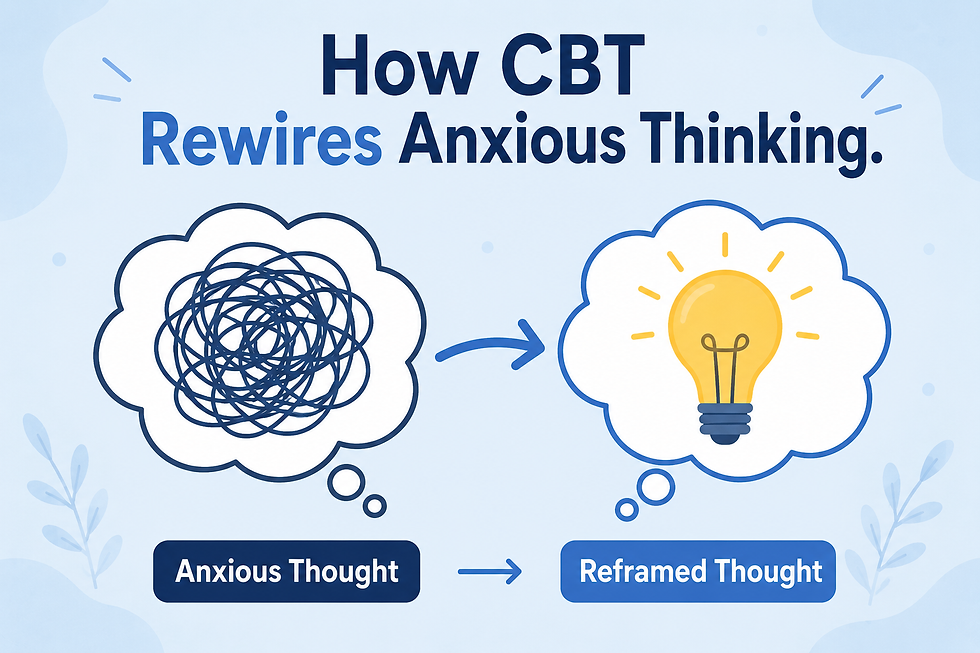
Cognitive Behavioral Therapy, often called CBT, is one of the most widely used treatments for anxiety and panic attacks.
The idea behind CBT is simple.
Our thoughts, emotions, and behaviors all influence each other. When anxious thoughts become automatic, they can make fear feel stronger and lead to behaviors that keep anxiety going.
Instead of trying to ignore anxiety, CBT teaches you how to understand it and respond differently.
How CBT Works
During therapy, you may learn how to:
Recognize negative thought patterns
Challenge anxious thinking
Build healthier coping strategies
Reduce avoidance behaviors
Feel more confident in situations that once felt overwhelming
Over time, these small changes can make anxiety feel much more manageable.
Who May Benefit From CBT?
CBT is often recommended for people experiencing:
Panic attacks
Generalized anxiety
Health anxiety
Social anxiety
Excessive worry
Many people notice improvements because CBT gives practical skills they can continue using long after therapy sessions end.
2. Exposure Therapy: Taking Small Steps Toward Your Fears
When anxiety becomes intense, it is natural to avoid situations that make you uncomfortable.
While avoidance may provide temporary relief, it often makes anxiety stronger over time.
Exposure Therapy helps break this cycle.
Instead of facing your biggest fears all at once, your therapist helps you gradually face situations that cause anxiety in a safe and supportive way.
How Exposure Therapy Works
Treatment usually begins with smaller challenges before moving to more difficult situations.
For example, someone with panic attacks may slowly learn that certain physical sensations are uncomfortable but not dangerous.
Each step helps build confidence and reduces fear over time.
Who May Benefit From Exposure Therapy?
Exposure Therapy may help people experiencing:
Panic disorder
Specific phobias
Health anxiety
Social anxiety
Situations they have been avoiding because of fear
The process always moves at a pace that feels manageable for each individual.
3. Dialectical Behavior Therapy: Building Skills for Difficult Emotions

Anxiety is not always about worrying.
Sometimes it feels like emotions become so intense that they are difficult to manage.
Dialectical Behavior Therapy, or DBT, focuses on helping people better understand and regulate their emotions.
Originally developed for emotional regulation, DBT has become a valuable approach for many people living with anxiety and panic symptoms.
How DBT Helps
DBT teaches practical skills such as:
Managing overwhelming emotions
Coping with stressful situations
Improving relationships
Staying present during difficult moments
Responding thoughtfully instead of reacting automatically
These skills can help people feel calmer even when life becomes challenging.
Who May Benefit From DBT?
DBT may be especially helpful for people who experience:
Anxiety alongside intense emotions
Frequent emotional overwhelm
Difficulty coping with stress
Panic attacks triggered by emotional situations
Rather than trying to eliminate emotions, DBT helps you learn healthier ways to work with them.
4. Mindfulness Based Therapy: Learning to Stay in the Present
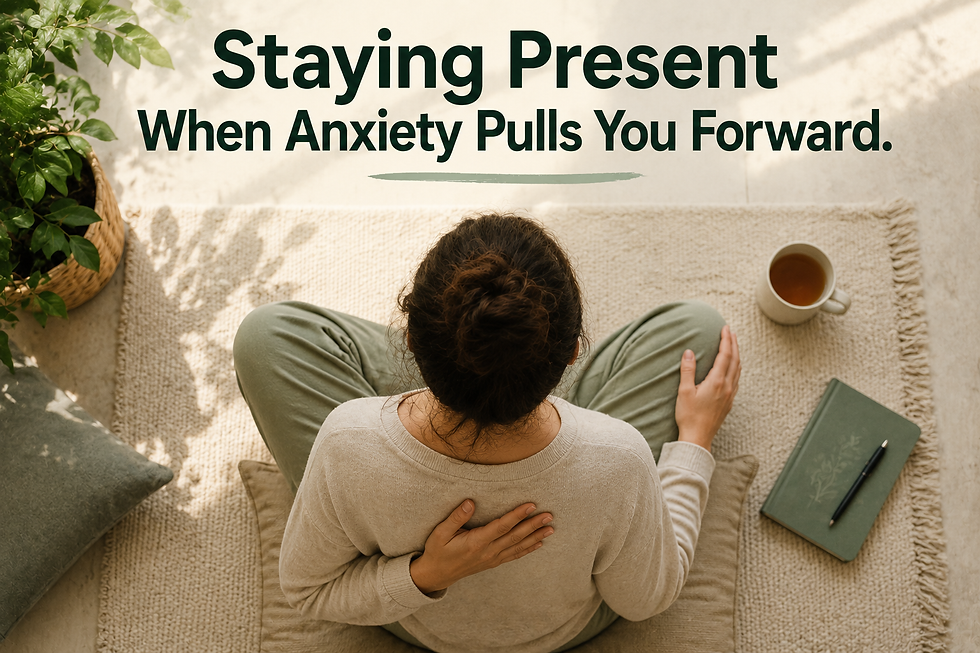
Many people living with anxiety spend a great deal of time worrying about what might happen next.
Mindfulness Based Therapy helps shift attention back to the present moment.
This does not mean trying to stop thoughts completely.
Instead, it teaches you to notice your thoughts without immediately reacting to them.
Simple mindfulness practices may include breathing exercises, body awareness, and learning how to slow racing thoughts.
Many people find that mindfulness helps reduce stress while improving emotional balance and self awareness.
5. EMDR Therapy: When Anxiety Is Connected to Past Experiences
For some people, anxiety and panic attacks are linked to difficult or traumatic experiences from the past. Even if those events happened years ago, the mind and body can continue reacting as though the danger is still present.
Eye Movement Desensitization and Reprocessing, commonly known as EMDR, is a therapy that helps people process these difficult memories in a safe and structured way.
How EMDR Works
During EMDR, a trained therapist guides you through specific exercises while helping you process distressing memories. The goal is not to erase memories but to reduce the emotional distress connected to them.
As difficult memories become less overwhelming, anxiety and panic symptoms may also become easier to manage.
Who May Benefit From EMDR?
EMDR may be helpful for people who experience:
Trauma related anxiety
Panic attacks connected to past experiences
Ongoing fear linked to distressing memories
Post traumatic stress symptoms
Not everyone with anxiety needs EMDR, but for those whose symptoms are connected to trauma, it can be an effective part of treatment.
6. Acceptance and Commitment Therapy: Learning to Live Beyond Anxiety
Many people believe they must completely eliminate anxiety before they can enjoy life.
Acceptance and Commitment Therapy, or ACT, takes a different approach.
Instead of fighting every anxious thought, ACT teaches you how to accept that uncomfortable thoughts may come and go without allowing them to control your choices.
How ACT Helps
ACT encourages you to:
Accept difficult thoughts without judging yourself
Focus on what matters most in your life
Take meaningful action even when anxiety is present
Build emotional resilience over time
Rather than waiting to feel fearless, ACT helps you continue moving forward despite fear.
Who May Benefit From ACT?
ACT may be helpful for people living with:
Long term anxiety
Ongoing worry
Stress related challenges
Panic attacks that affect daily life
Many people find ACT helpful because it focuses on building a fulfilling life instead of constantly trying to avoid anxious feelings.
7. Supportive Therapy: Sometimes the Most Powerful Tool Is Being Heard
Not every therapy session involves worksheets or structured exercises.
Sometimes people simply need a safe place where they can speak openly without worrying about being judged.
Supportive Individual Therapy focuses on building trust, understanding emotions, and helping people navigate life's challenges with professional guidance.
What You Can Expect
Your therapist may help you:
Talk through difficult experiences
Understand patterns that contribute to anxiety
Develop practical coping strategies
Build confidence in handling everyday situations
Feel supported throughout your recovery
Supportive therapy is often combined with other evidence based approaches to create a treatment plan that fits your individual needs.
Choosing the Therapy That Feels Right for You
With so many therapy options available, it is natural to wonder where to begin.
The good news is that you do not have to figure everything out on your own.
A licensed mental health professional can recommend a therapy approach based on your symptoms, experiences, and goals.
Step 1: Understand Your Symptoms
Think about what you are experiencing.
Are you dealing with panic attacks, constant worry, emotional overwhelm, or anxiety connected to past experiences?
Understanding your symptoms is the first step toward finding the right support.
Step 2: Consider What You Want Help With
Everyone's goals are different.
You may want to:
Reduce panic attacks
Feel calmer during stressful situations
Improve emotional regulation
Build healthier coping skills
Process difficult experiences
Knowing your goals helps guide treatment.
Step 3: Speak With a Mental Health Professional
An experienced therapist can explain different therapy options and recommend a personalized treatment plan.
Remember, therapy is not one size fits all.
Step 4: Give Yourself Time
Progress rarely happens overnight.
Learning new coping skills and changing long standing thought patterns takes time.
Small improvements often lead to meaningful long term change.
Can Therapy and Medication Work Together?
Many people wonder whether they need therapy or medication.
The answer depends on their individual needs.
Some people manage anxiety successfully through therapy alone. Others benefit from combining therapy with medication, especially when symptoms are more severe or interfere with daily life.
Medication is not a replacement for therapy, but for some individuals it can reduce symptoms enough to make therapy more effective.
A psychiatrist can help determine whether medication is an appropriate part of your treatment plan.
The goal is always to create an approach that works best for you.
Conclusion
Living with panic attacks or anxiety can be exhausting, but recovery is possible with the right support.
There is no single therapy that works for everyone, which is why personalized care is so important. Whether your treatment includes CBT, DBT, EMDR, mindfulness based care, or another therapeutic approach, the goal is always the same: helping you feel calmer, more confident, and better equipped to manage life's challenges.
Frequently Asked Questions
1. What is the best therapy for panic attacks?
There is no single therapy that is best for everyone. Cognitive Behavioral Therapy is often recommended for panic attacks, but other approaches such as Exposure Therapy, Dialectical Behavior Therapy, or EMDR may also be helpful depending on the cause of your symptoms and your individual needs.
2. Can therapy really stop panic attacks?
Therapy can help reduce the frequency and intensity of panic attacks by teaching healthier ways to manage anxious thoughts, emotions, and physical reactions. While recovery takes time, many people experience significant improvement with consistent treatment.
3. How does Cognitive Behavioral Therapy help with anxiety?
Cognitive Behavioral Therapy helps you identify and change unhelpful thought patterns that contribute to anxiety. It also teaches practical coping strategies that can help you feel more confident when facing stressful situations.
4. Is Exposure Therapy safe for people with panic attacks?
Yes. Exposure Therapy is guided by a trained mental health professional and moves at a pace that feels manageable for each person. The goal is to gradually reduce fear rather than overwhelm you.
5. What is the difference between DBT and CBT?
Both therapies can help with anxiety, but they focus on different skills. CBT mainly helps change anxious thinking patterns, while DBT focuses on emotional regulation, distress tolerance, mindfulness, and learning healthier ways to respond during stressful situations.
6. Can EMDR help with anxiety?
Yes. EMDR may help people whose anxiety or panic attacks are connected to traumatic or distressing life experiences. It is not the right treatment for everyone, but it can be very effective when trauma plays a role in anxiety symptoms.
7. How do I know which therapy is right for me?
The right therapy depends on your symptoms, personal history, and treatment goals. A licensed mental health professional can assess your situation and recommend a therapy approach that best fits your needs.
8. Can I combine therapy with medication?
Yes. Some people benefit from therapy alone, while others find that combining therapy with medication provides better symptom relief. A psychiatrist can help determine whether medication is appropriate as part of your treatment plan.
9. How long does therapy take to help anxiety?
The timeline varies from person to person. Some individuals notice improvement within a few weeks, while others benefit from longer term therapy. Progress depends on factors such as the type of anxiety, the therapy approach used, and consistent participation in treatment.
10. What can I expect during my first therapy session for anxiety?
Your first session is usually an opportunity to talk openly about your symptoms, experiences, and goals. Your therapist will ask questions to better understand what you are going through and work with you to create a personalized treatment plan that supports your recovery.


